Saturday, March 30

La vie ne vaut pas la peine d'être vécue sans bonne nourriture et sans bon vin!

we usually eat outside when we can... 
"Life is not worth living without good food & good wine" 

So as we do for all our Tours, at approximately 2 - 3 months out we work with our Chefs on finalizing the menus for our upcoming Tours...  We always try to refine the menu and tweak it a little for each new tour, looking for special recipes, for new appetizers, entrees, and desserts... but trying to stay true to some of the Provençal classics...  We like to keep the menu truly authentic to the local cuisine without going overboard on too many of the traditional Provencal "game"  offerings...  

 (If you like these more exotic offerings like I do, you'll have several opportunities to have them for lunch when we're out touring). For the most part, the meals you'll have at the Villa will be slightly more well known and popular French offerings with a Mediterranean or Provençal twist.  We have great chefs & we think you'll really enjoy the foods!

This is Fabien (Fah-bee-on) Great Chef &  fun 
guy, but Fabien doesn't speak much English!

As you all know by now, our Chefs Fabien & Coralie  serve our Dinners at The Villa "family style..."   So we need to know of any Restrictive Food Allergies you may have... Also if you have specific dietary requirements such as vegetarian, vegan, etc. we'll work with our chefs to try to accommodate you.  Please let us know as soon as possible as we will provide the information to our chefs along with the new menus... Email us if you have a restrictive food allergy: AdventuresToTuscany@gmail.com with the subject lineI'm medically allergic to:

Coralie & Fabien - they're married and
a very sweet couple... You'll love them!
They make great foods !
And Coralie speaks great English!


So as politely and respectfully as possible, let us restate that what we're asking about is Restrictive Food Allergies... and specific dietary requirements...  We try to pick foods & menus that are true to the area and have universal appeal.

Again, we always try to make sure there's plenty of great foods and options,  and that no one goes hungry... and of course, most importantly, we want you to be medically & nutritionally safe, and have an outstanding culinary experience... 

Something to keep in mind is that in Provence, much like in Tuscany, often the foods that are available, are very seasonal... It's not like here in the states where things are available year round... For example; if strawberries are out of season there, you'll rarely find them at all... 

This is the actual Breakfast Buffet we set up in
the kitchen...We try to vary it a little daily
 
Our Provencal Breakfast Buffet typically has Juices, Waters, Teas, American Coffee, fresh cream, assorted Teas, Espresso, Prosecco, Mimosas, granolas, nuts, seeds, milks, prunes, yogurts, assorted fresh seasonal fruits, assorted fresh seasonal sliced melons, figs, assorted fresh berries, a daily Cheese Board with assorted specialty hard & soft cheeses, Provençal specialty meats such as Soppresata, Cappicolla, Salami,  Prosciutto Cotto, and Prosciutto Crudo, Hot scrambled eggs with cheese & pancetta, assorted breads, croissants, pastries, and a toasting station with assorted jams, preserves, honeys, etc.  Seating is open & casual, either in the Dining Room or outside on the Terrace...

And then our dinners at the Villa are always served Family Style at the table by our Chefs and are typical of Provençal / Mediterranean Cuisine...  We typically set up Happy Hours & Appetizers in the Solarium, and then at the table, (outside when possible) we'll serve Salads, and main courses that often include either  beef, poultry, fish, pork and pastas as well as assorted homemade desserts throughout the week... 

And of course the Wine, Champagne, Prosecco  and Beer bar is open all day and throughout the evening until 11:00pm as per our itinerary. We'll also have soft drinks at the bar; sodas, juices, iced teas, etc. (and we'll always try to accommodate those that may be staying up later into the night with whatever they want... we just need to be sure everyone is in & safe).

And lastly, there will always be a large, help yourself,  "Snack Basket" setting out in the kitchen in the evenings for those with late night munchies... Cashews, peanuts, almonds, cocktail nuts, pistachios, candies, chips, cookies, cakes, fruits, French chocolates, etc...  All kinds of great treats!  

So if you haven't already made us aware of a food allergy, please send us an email asap so that we can alert our chefs....   again, we get a ton of email, so please use subject line: 
"I'm medically allergic to ____________"

Hope you're getting excited about France!  We'll be meeting up with you guys on the first Tour in just 77 Days!

if you haven't seen A Good Year with Russell Crowe & Marion Cotillard, you owe it to yourself to see it before you leave for Provence... It's set exactly in the area where we'll be, and will give you a feel for the lifestyle... I'm sure you'll find it on Netflix, Amazon video, etc...


Wednesday, March 27

You're gonna want a little pocket money!

Hi Guys, as we're slowly closing in our your departure dates for France, we just wanted to remind you that  you're going to need a little pocket for your week in Provence... and of course that means you're going to need "Euros".  With that in mind, we're reposting an article from the Blog back in early October on options for currency exchange.  If you want some Euros in your pocket before you leave we suggest you start out by checking with your bank to see if they do currency exchange. Also typically at least one AAA office in most cities here in the US offer currency exchange.  We know for a fact that Bank of America & TD Banks do currency exchange.   

  So a common question we always get is: How much money do we need for our Provence trip... Do we actually need cash... and how do we get Euros ?

First and foremost you need to know that they do accept common credit cards in France... Mostly Visa, and MasterCard...  American Express is accepted, but not quite as widely as MC & Visa... (note: Discover Card is usually not taken in France).   But sometimes at smaller establishments, just like here in the US, it is cash only.  As far as how much actual cash you'll need... That's of course totally dependent on your personal choices & lifestyles... Over the last 24 years that we've been taking these groups, we've seen some of our guests get by using very little in euros (maybe a 100 Euro per person over the 8 days) and other guests spending ten times that....

During your week at The Villa, for your Adventures to Provence Tour, most all of your "hard expenses" are included with your Tour price, with the exception of three lunches while we give you free time while we're out touring in some of the Villages...   On these days,  some prefer to maximize their time sightseeing & shopping and forgo lunch... (the Breakfast spreads at the Villa are substantial) or just grab a quick sandwich or slice of Pizza and Soda from a street vendor (typically available for around 6 euro)...   (as far as meals; all your Breakfasts, three of your lunches, all your Dinners, the never-ending snack basket, and of course our OPEN Wine, Champagne, Prosecco & Beer Bars at The Villa are all included in your Tour).


On the other end of the scale, some guests prefer to relax outside at a table with a view in one of the nicer Bistros, Brasseries or Cafes and have a larger hot lunch and a glass of wine and do a little people watching...  this is likely more in the neighborhood of 20 - 30 euro per person (depending on your choices and the view)!   And of course anyone that's spent time in high aspiration tourist destinations knows that it's not hard to spend 50 to 100 euros per person, if lunch to you means either steak or lobster with a bottle of wine...  A simple and casual relaxed hot lunch with a glass of wine in a Bistro and a little people watching is always one of our favorite things in Provence... we tend to favor moderately priced Bistros with a nice view... 

And of course, you'll have small miscellaneous personal expenses throughout the week... perhaps a glass of wine, a crème glacée, a café, a take-away crepe, some Belgian chocolates, parking, maybe something you need from a drug store, etc. Nothing big, but you will need a little pocket money...  So you can see, as far as how much money you'll need, this is not an easy answer...

We always suggest you budget and plan for a minimum of  20 - 30 euros per person/per day (+/- 200 euro per person)...  And you can certainly get by on a whole lot less if you want to...   But your personal expenses for shopping can be a whole other story... There's leather purses, shoes, belts, soaps, perfumes, pottery, clothing, paintings, sculpture,  etc...  If you're buying things at an outdoor market, they're often taking only cash... But usually anyone selling more expensive items, will take credit cards...  


So there's quite a few options for accessing Euros... We'll address the three main options:

#1.   Buying Euros in advance from your bank

Buying Euros ahead of time from your local bank here in the states is a safe & conservative approach... This is what we do... In our opinion, this is the most convenient and easiest way to get Euros, and already have them in pocket when you arrive in France.  Often they won't have the euros at your local branch, but they'll get them for you in a day or two...  They usually give you a very fair exchange rate, and of course they'll charge you a small fee depending on your relationship with the bank.  We always buy them easily online in advance from our bank; Bank of America...  and they just ship them to us.   That way, we have the euros in our pocket when we get there.  

You need to know the Villa is a private residence, not a hotel, so there are no room safes, and we strongly advise against leaving valuables in your room when you're not at the Villa. (cash, expensive watches, expensive jewelry, etc).  In fact we strongly advise against even bringing & wearing expensive jewelry/watches at all... If you're going bring these types of things with you on your vacation, we suggest carrying them with you when you leave your hotel or the Villa during the day...

#2.  Buying Euros from one of those all too familiar Currency Exchange Booths

You know these places... You see them all over the place at international airports and in large tourist cities... These booths, while very convenient, and always touting "The Very Best Rates" are usually the most expensive way to get Euros...  We don't suggest them basically because they're just so expensive... Their exchange rates are typically 10% or more above the going rate. 

#3.   Using your ATM Debit Card to access cash from ATM Machines

If you don't get Euros in advance before you leave the states, this is usually the most economical way to access Euros once you're in Europe...   If you decide to go this route, we always suggest to our guests to bring a couple hundred US dollars as emergency cash, two credit cards, and an ATM debit card... And just hit an ATM at the airport in Europe as soon as you get in and access Euros with your ATM Debit Card. (you probably don't want to use a credit card for this... that would be a cash advance and be costly).   Most banks give you the very best exchange rate doing it this way, and charge little or no additional fees... We always suggest checking with your bank to find out which European ATM network you're in... It's best to use a Bank ATM in your network as the fees will likely be less.  Be careful using small private (non-bank) ATM's as the fees can be substantial, and always stay away from "dynamic conversion" offers at ATM's or retailers as this is typically a very costly option.  Have them charge you in Euros, NOT US dollars, as your bank offers the best conversion/exchange rate. (note: sometimes ATM cards are slow to start in Europe, even when you tell your bank you're gonna be in Europe... We always advise to have an international phone number handy, in case you need to call your bank. With all the credit card fraud that's going on these days, banks are super cautious... and their abundance of caution can be inconvenient for you.

We always suggest that you call your bank and credit card companies a month in advance and tell them your travel plans and dates.  Many will tell you there's no need to do this, but we strongly suggest you do...  and insist they please note the info on your account... Often you can do this on your bank's website.

Whichever way you choose to exchange currency, you should do it before you arrive at the Villa on Saturday, as you'll want to have the cash on hand during our Touring activities which will start Sunday morning... 


Monday, March 25

True Adventure starts at the edge of your comfort zone!

If you haven't thought about it yet, we've named our company Adventures to Tuscany for a reason... We like to think that our Provence & Tuscany Expeditions are a little adventurous! After all, this is a true expedition style Tour... You'll understand this a little more clearly as you're following us as we weave through the vineyards and olive groves of the Provençal countryside, pointing out interesting things on our two-way radios!  
A classic French Citroën 2CV ~ The 2CV stands
for "deux chevaux" (2 horses). Citroēn introduced
the car in the 1940's to entice France's many
farmers who were still using horses & carts..
.

But it's all soft experiential adventures... We don't have you jumping out of airplanes with a parachute, scaling large mountains or swimming with sharks... But for a lot of our guests,  just the idea of driving in France is one small part of these experiential adventures! And while you may feel a little hesitant now, we guarantee you that when you come home from France, you'll feel very proud & worldly that you did it! While sometimes our guests have previously been to Europe, often times those trips have been on a mass-market packaged bus tour operated by a large Tour Operator. We assure you, THIS will be different!

French STOP sign!
You've heard us say it before; What makes us different,  makes all the difference in the world...   and we always tell our guests; The way you choose to see the world, creates the world you see...   These two taglines define exactly what we do here at Adventures to Tuscany... And to do this, we blend the very best characteristics of independent travel with the very best characteristics of escorted and guided travel to give truly adventurous guests a super-unique hybrid travel experience that is the very best of both worlds!   A highly researched and personally curated Tour that is both escorted and professionally guided, blended with the exclusivities, fun and independence of an extremely small group...  With unique & authentic upscale French Villa accommodations...  the exclusivity of private chefs and private guides,  the uniqueness of truly authentic Provençal cuisine prepared by local French chefs...  with totally inclusive upscale Wine, Beer, Champagne & Prosecco bars... Nightly theme parties... Private live entertainment... and truly alternative experiential activities (think: Road Rally) that are just not possible to get from the typical travel agent and the large scale mass market Tours that they most often sell...  These things are what create the truly immersive & authentic experience... So when we say upscale Villa experience, we are always careful to differentiate between upscale and luxury... To put you in some Johnny come lately, recently built luxury Villa,  built last year by the latest gazillion dollar lottery winner, would be neither immersive or authentic... That just wouldn't be the real Provence... Trust us: you're gonna love this Villa and this whole experience!

red, yellow & green and works just like 
ours, but this is important: 
NO RIGHT TURN ON RED IN FRANCE!
Every now and then some of our guests get a little anxious about the idea of driving in France.. It's perfectly normal...  You're going to a foreign country you've maybe never been to before...  Mostly it's just fear of the  unknown... So we're going to help you ease that anxiety with a series of posts over the next few months that will spell out most everything you need to know...

Driving in France is a lot like driving in the US...  Many of the cars are similar to models you get here in the US and operate the exact same way... The steering wheel is on the same side of the car... and you drive on the same side of the road...  Really, about the only difference, is learning to read the traffic signs...  So we'll start with the most important ones first!

Pictured here is what their Stop Signs  and their Traffic Lights look like...  No, we're not joking... Their most important traffic signs and lights are just like ours here in the US... And their driver etiquette is pretty much exactly the same... (well, at least the same as in New Jersey!  Pennsylvania drivers beware, French drivers are a little more assertive than you are)

So that makes it pretty easy right there!  But we'll give you a couple of quick hints here today to help you feel more confident... and in future posts, we'll have more detailed driving lessons and gradually a lot more of the traffic signs... (most are pretty intuitive)  

While most of the driving is pretty much the same as here in the states, one difference that you'll notice right away: France has a lot of "traffic circles"... A LOT!  We'll write more about these in future posts... but if you want a quick lesson: click here

I've been getting these on & off for 40 years, and no one has
ever asked to see it, but in some countries it is required by law

International Drivers License:  We've had recent questions about this...   If you've been with us on our Tuscany, Italy expeditions, and many of you have, you'll remember we told you you needed an International Drivers Permit. So in France it is not required. Many online articles say it's recommended, but it is definitely not required by law. If your rental car company has told you that you must have one to rent the car, then by all means, you should get one. ( they're easy to get; $20 at AAA offices). You do of course need your US drivers license, so if you're going to be driving, make sure you have that with you! 

Insurance: So we've had questions on this already... When renting a car in France it is required by law that drivers carry unlimited third party liability insurance, and as a result it is automatically included in the price of all car rentals. The advantage of having this car rental insurance in France is that you are protected from injury, death or property damage to others which occur while operating your rental during your trip to France. But you do need to be attentive to CDW (Collision Damage Waiver) and Theft Protection.  We always suggest you get the full coverage or "zero-deductible" insurance coverage... it might cost you $50 -$75 more for the week, but we think it's well worth the investment...  When you turn your rental car in, there's absolutely no question... scratch, dent, knocked the mirror off, backed into a donkey,  something broken... it doesn't matter, cause you'll have full coverage! Again, it's a personal decision and totally up to you...

yes, there are convertibles available! 

Who's Driving:   Also we strongly suggest you pay "the additional driver charge" for anyone that might even possibly drive the car... You might say to yourself, "hey, who's gonna know?"  And again, no one would know,  unless you either get pulled over by a policeman, or get involved in a fender bender...  If you're not listed as a driver on the contract, you won't be covered by the insurance!  The charge for an additional driver has come down significantly over the years... These days, it's only about 10 euro per day...  we suggest if someone else will be driving the car, have them on the contract! You'll do this locally when you pick up the car... Again, this decision is a personal choice... 

Before you leave the rental car office:  make sure you know whether the car takes regular gasoline or diesel fuel... they have a lot of diesel cars in Europe! Here's an important tip: The French term for diesel fuel is gazole...  And  Sans plomb is standard octane unleaded gasoline. You may see Sans Plomb 95 which is higher octane unleaded, just like our "premium" gas here in the states.  Manned gas stations in more rural areas of France often close for lunch between 12:00 – 14:00, so be sure to time your fill up.  Many gas stations along the highways in France have large stores where you can purchase both snacks and hot foods. In my experience these are generally in better condition than gas stations located within cities. 

 If you put the wrong fuel in the car, the engine will stop working, and it's a very expensive fix, and it won't be covered by the insurance!  Also find out how to open the "fuel door..." These latches can be hidden pretty well over there! Adding gas to the car is exactly the same; you can choose full service or self-service... If you choose self-service, you just stick your credit card in the pump, just like here in the US.  You'll typically find the best gas prices at large grocery stores.

Car Return:  And lastly, on the day you turn your rental car in, fill it up  to the very, very, tip-top of the gas tank,  right before you turn it in... make sure to keep the receipt... take a picture of the receipt with your phone... show the receipt to the attendant, and make sure he acknowledges, and get him to note that "the car was turned in with a full tank of gas on the paperwork!"  Don't try to get by with an "almost full" tank... They will charge you!   Remember, they have your credit card!  They'll not only charge you $10 a gallon for the "phantom gas," they'll charge you a $25 - $50 "fueling fee"!   Again, fill it to the tip-top right before you turn it in & keep the receipt for 3 months! Trust us, we've been doing this for a long time...

Speed Limits:  Speed limits in France are probably one of the most confusing aspects of driving. The reason is that you often don’t know the speed limits.  For example, the official French speed limits across the whole country are:

  • Autoroutes: 130km/hr (80 mph), but that is reduced to 110km/hr (68mph) when raining. There is a further drop to 50km/hr (30mph) in periods of limited visibility (such as snow, fog, etc.).
  • N and D Roads: In roads considered single carriageway (one lane in each direction), the speed is 80km/hr (50mph), dropping to 50km/hr (30mph) in poor visibility.
  • Local roads and in cities: 50km/hr (30mph).
  • Know the speed limits. You are accountable for them, even if there aren’t signs posted. And rarely are speed limit signs posted in France off of major roads.

Traffic Enforcement and Speeding
Policing whether cars are speeding or not has largely been left up to surveillance. Rarely do police get involved in ticketing speeders. Instead, you’re more likely to get your photo snapped by a camera violating the speed limit and a ticket sent to you (or sent to the rental car company, who conveniently has your credit card information).  There are two kinds of monitoring devices:

  • Traffic Cameras.  These are fixed cameras by the side of the road where speeding is likely (downhills or uphill sections of roadway, transitions from rural highways, entrances to small villages, etc.). The cameras are housed in metal cabinets and point out at the roadway, snapping shots of drivers.
  • Private Speed Camera Cars     In 2018, France enabled private speed camera cars to catch drivers. These are unmarked vehicles owned by private companies who monitor speeds and take pictures of speeders, but while moving. There are about 500 of these vehicles on the road on a constant basis.

While the claim is that such cameras (more than in any other country in Europe) is to make the roads safer, these cameras are really a major revenue driver for the country. Speeding fines from cameras generates nearly $1 billion in revenue (and another $800 million in fines issued by police officers). Speeding fines is the fastest growing income source for the country.  Our suggestion; stay within the speed limits!

Parking
Parking in France is like anywhere else in Europe. They have old cities that weren’t built to accommodate cars, so space is always at a premium. That said, follow the standard parking rules and you will be fine.

Look at the signs. A blue circle with a red border and a red slash through it means no parking.  A blue circle with a red border and an X through it means no stopping or no standing. Sometimes the signs can be confusing.

Next, look at the curbs. Because France has poor street signage, sometimes they just paint the curb and don’t put up signs. If you see a single yellow line, that means no parking and no stopping/standing. A broken yellow line (or dashed line) means that it is a loading zone and you can stop to load/unload your vehicle but not park. A painted white line means pay parking is in effect. A blue painted curb means free parking for a limited time (usually indicated by a sign).

Nearly all parking (whether street or lot) is pay parking. For street parking, look for the pay kiosk marked “Payant.” You’ll have to pay, take a display ticket and put it on your dash. In recent years, France has also rolled out more automated kiosks where you just type in license plate for your rental vehicle (and there is no display ticket). Such on-street parking is relatively economical.

Other tips or laws to be aware of:
  • Seatbelts are required for everyone. 
  • It is illegal to talk on the phone (even with a hands-free headset) or hold your phone in your hand while driving.
  • Reminder: No right turn on red.
  • Be careful with alcohol;  The BAC limit in France is 0.05% (lower than in the U.S.) 
  • Headlight use is mandatory at night. And when it is raining. And when driving through a tunnel. And when driving through an emergency or construction zone.
  • It is illegal to drive on a bus lane (unless you are a taxi).
  • Watch for motorcycles and mopeds. They can be difficult to see! And often break traffic laws for convenience.
  • On roadways, it is illegal to cross a solid white line (such as overtaking/passing, or making a left, or making a right).
  • The color of lights matter. Do not proceed or enter an area with a flashing red light (such as a tunnel, etc.). But, you can proceed on a flashing yellow light with caution.
  • Pay attention to the fuel grade when pumping at gas stations. The color of the handle is different from what you are used to in the U.S. There are three fuel grades 95-Octane (Sans plomb 95), 98-Octane (Sans plomb 98) and diesel (labeled diesel, gasoil, or gazole depending on the station). 
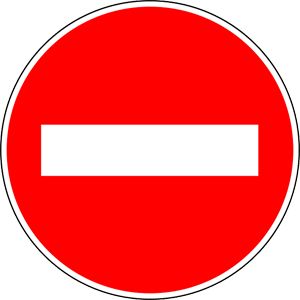
No Entry Sign France
this sign means: No Entry

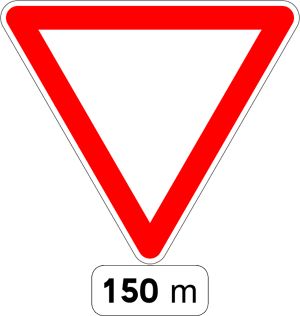
Yield French Sign
this is a Yield sign indicating a "stop" in 150 meters


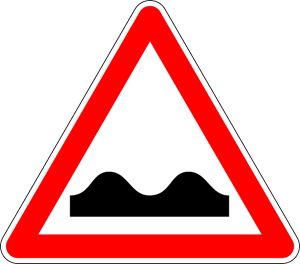
Triangular Warning Signs
you'll see a million of these in Provence / simply a bump in the road

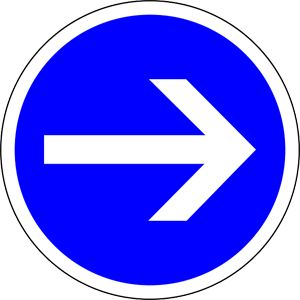
Obligation Signs equals Must Do
they call these "obligation" signs; you must turn in the direction of the arrow

These have been a few of the various road signs you'll see in France... They have some really odd ones. For a full list of road signs, click here


Tuesday, March 19

Can you hear me now?

can you hear me now???
 Hi Guys, we've had a guest ask for info on using your cell phone in France...  There are certainly many options... This article below by Rick Steves covers many of  the options...  Firstly, know this:  If you do nothing at all, your phone will likely work just fine from Europe, albeit the cost per minute, data & text rate will usually be significantly higher...  Which options works best for you depends on who your carrier is and how much you think you'll use your phone....   We provide you with free wi-fi at the Villa... which means that you can use your home-plan's amenities at the Villa without any extra charges...  So if you don't plan to use your phone for much, you'll still have wi-fi available at The Villa... But if you're planning on "being accessible at all times" and want to be able receive emails, calls & texts from the US at all times, want to send texts or post to FB at all times, or perhaps using your phone as your GPS, then you'll probably want to have some sort of international  plan in place.

People often ask us what we do personally... So, we have Apple iPhones that are on the ATT system, and we usually sign up for either their International Day Pass or their PASSPORT plan...  The International Day pass is $10 per day on the days you use it and includes unlimited talk and texts and then uses the data from your home plan... (and they charge for only the first 10 days of usage per each billing cycle). We of course use our cell phones a lot both here in the US and in Europe so we have unlimited data plans at home, and it uses the data from that plan...  If you're a couple using two phones, and the second phone is on the same account, ATT will only charge you $5 per day for the second phone.( again for a max of 10 days per billing cycle).  We personally have been going with the International Day Pass as we have unlimited data plans at home so our costs for our two phones are fixed at $15/day for the first 10 days.
many of our guests use their phones for their
mapping program

The ATT Passport plan is a 30 day plan and base cost starts at $70 per phone and it gives you 2 GB of Data, it lowers your per minute cost of talk to 35 cents per minute, and gives you unlimited texts with pictures and videos...  They have a bigger plan that provides 6GB of data for $140 for the month. 

Verizon has similar plans... Their $10 /day Travel Pass and  a monthly plan similar to the ATT Passport plan mentioned above...   

T-Mobile, on many of their calling plans offers free unlimited texting & data (at 2G speed) with voice calls at 25 cents/minute.

And, lastly (regardless of who your carrier is) if your phone is "unlocked" (it probably is) you can alternatively buy a prepaid SIM card in Europe which is probably the least expensive option, but it might change your phone # while the card is installed...  

Ultimately, we suggest you consult your carrier for their advice on what will work best for you individually. (We will post links to ATT 's, Verizon's and T-Mobile's International Plans in the right sidebar) Also, there are wi-fi alternatives to calling & receiving calls and we'll talk about those in future posts...

Using Your Own Phone in Europe 


By Rick Steves

Many travelers enjoy the convenience of bringing their own mobile phone to Europe. Some people also prefer to bring a tablet or laptop for emailing or blogging, uploading or editing photos, reading, and watching videos in their down time. Using your mobile device abroad isn't hard, and with a little preparation, you can text, make calls, and access the Internet without breaking the bank.

How to Set Up (or Disable) International Service on Your Phone

Roaming with your own phone outside the US generally comes with extra charges, whether you are making voice calls, sending texts, or accessing data (going online over a cellular network rather than Wi-Fi, a.k.a., "data roaming"). If you plan to bring your own phone to Europe, start by assessing how you will to use it — whether you will be making a few or a lot of phone calls, sending and receiving text messages, and how freely and frequently you'll want to get online to check email, look up websites, access maps, get driving directions, or use other mobile apps.
You can pay as you go on your normal plan for all three services. But the costs can add up (on average, about $1.50/ minute for voice calls, 50 cents to send text messages, 5 cents to receive them, and $20 to download one megabyte of data).
Travelers who want to stay connected at a lower cost can sign up for an international service plan through their carrier. Most offer some sort of global calling plan that cuts the per-minute cost of phone calls and a flat-fee data plan that includes a certain amount of megabytes. Your normal plan may already include international coverage, as T-Mobile's does. It's a fairly painless process:
  1. Confirm that your phone will work in Europe. Nearly all newer phones work fine abroad (as do older phones purchased through AT&T and T-Mobile), but it's smart to check with your carrier if you're unsure.
  2. Research your provider's international rates. Plan pricing varies wildly by carrier. Call your provider or check their website for the latest pricing.
  3. Activate international service. A day or two before you leave, log on to your mobile phone account or call your provider to activate international roaming for voice, text, and/or data (whichever features you plan to use), and sign up for any international plans.
  4. Cancel international service when you get home. When you return from your vacation, cancel any add-on plans that you activated for your trip.

Getting Online in Europe

With any laptop, tablet, or smartphone, you can get online via a Wi-Fi signal, which is usually free. If you have a mobile phone (smartphone or basic) or a cellular-enabled computer, you can get online over a cellular network, but you'll usually have to pay for it.
The most cost-efficient way to get online is to log on to Wi-Fi hotspots during your trip. Even if you have an international data plan, you're better off saving most of your online tasks for Wi-Fi.
If you plan to use any new apps on your device — such as language translators, ebook readers, or transportation or mapping apps — it's smart to download or update them before your trip, when bandwidth isn't an issue.
Finding Wi-Fi in Europe
Most accommodations in Europe offer free Wi-Fi, but some — especially expensive hotels — charge a fee. In some hotels, Wi-Fi works great; in others, the signal is less reliable or doesn't work well (or at all) beyond the lobby (many European hotels are in old buildings with thick stone walls). Often it's good enough to shoot off an email, but too slow to stream movies or make a video call.
If Wi-Fi is important to you, ask about it when you book — and check that it'll be available in your room. As soon as I arrive at a hotel, I ask at the desk for the password and network name (in case several are in range), so I can log on right away.
When you're out and about, your best bet for finding free Wi-Fi is often at a café. They'll usually tell you their Wi-Fi password if you buy something. As in North America, most McDonald's and Starbucks in Europe offer free Wi-Fi.
You may also find Wi-Fi here and there throughout the day — for example at tourist offices, in city squares (for example, Marienplatz in Munich), within major museums (such as the Tate Modern in London), at public-transit hubs (such as many of London's train stations), and aboard some trains and buses (for instance, Austria's RailJet or on Portugal's long-distance buses). You may need to register or accept terms of service to get online, and some networks limit browsing time.
Tips for Using Data Roaming Smartly
Using data roaming on your cellular network is handy for times when you can't find Wi-Fi. But while convenient, data roaming is also potentially expensive, depending on your international plan rates. You'll want to be conscious of how much data you're using, since you're probably paying for a limited amount of bandwidth. Still, data roaming can be worth it when you're out and about, need to get online, and don't want to waste your valuable vacation time hunting for a Wi-Fi hotspot.
Budgeting your data is easy if you follow these tips:
Avoid using your cellular network for bandwidth-gobbling tasks. Skyping, downloading apps, and watching YouTube all eat up megabytes and can wait until you're on Wi-Fi. (You're on a Wi-Fi network when you see the symbol for Wi-Fi in the corner of your screen — it looks like a half-rainbow.) If you use a navigation app like Google Maps, there are ways to do so without using any cellular data. If you're lost and need to access a map and turn-by-turn directions, do so sparingly.
Keep track of data usage. Upon arrival in Europe, it's smart to start tracking how much data you're using. On your device's menu, look for an item like "cellular data usage" or "mobile data" and reset the counter at the start of your trip so you can see how many megabytes you've consumed. Some carriers automatically send a text message warning if you approach or exceed your limit and will let you upgrade your package without penalty.
Limit automatic updates in your email and other apps. By default, many mobile apps are set to constantly check for a data connection and update information. You can cut your data use by switching off this feature in your various apps. Start with your email: Go to your device's email settings and change them from "auto-retrieve" to "manual," or from "push" to "fetch." This means that you will have to manually download (or "fetch") your messages when you're on Wi-Fi rather than having them automatically downloaded (or "pushed") to your device. If you receive an email with a large photo, video, or other file, wait until you're on Wi-Fi to view it.
Other apps — such as news, weather, social media, and sports tickers — also automatically update. On some devices, you can select which apps are allowed to update via the cellular network. It's smart to disable these features in most of your apps so that they'll only update when you're on Wi-Fi.
Disconnect from your cellular network altogether. Because there are still ways that you can accidentally burn through data, I like the additional safeguard of manually turning off data roaming or cellular data (either works) whenever I'm not using it — check under "cellular" or "network," or ask your service provider how to do it. Then, when you need to get online but can't find Wi-Fi, simply turn it on long enough for the task at hand, then turn it off again. Another way to ensure you're not accidentally using data roaming is to put your device in "airplane" or "flight" mode, and then turn your Wi-Fi back on when needed (this disables phone calls and texts, as well as data).
If you're traveling with an unlocked smartphone, you can buy a SIM card that also includes data; this can be cheaper than data roaming through your home provider...  
Again, while we always try our best to provide up-to-date and accurate information, plans change all the time and  again, we strongly suggest you check with your own carrier  for the best plan and details for your individual needs.  We will in the next 24 hours, put links for the Big Three carriers to your right on the side-bar.


Friday, March 15

Amazon's Big Spring Sale!

Looking for a few things for your upcoming trip to France???  Some new walking shoes... sunglasses... luggage locks... maybe a new suitcase...  perhaps some Apple AirTags...?   Amazon just announced that their Big Spring Sale will begin on March 20th and run through March 25th!!!


                  Amazon's Big Spring Sale!

Spring has sprung at Amazon. Even though it feels like we were combing through the site’s thousands of Black Friday deals just yesterday, the mega-retailer has announced a new major savings event — The Amazon Big Spring Sale — starts tomorrow, March 20.

What is the Amazon Big Spring Sale?   The Amazon Big Spring Sale is a first-of-its-kind sale event for all customers (not just Prime members) in the spring season. It features six days of special savings on thousands of items across all product categories.

The length of this sale differs from Amazon’s most famous sale event, Prime Day, which typically runs for only two days. Prime Day is notoriously held in the summer, but in recent years, Amazon had added a second Prime Day-like event in the fall, ahead of the holiday shopping season.

The Big Spring Sale will be Amazon’s first sale of note in the spring season.  How to prepare for the Amazon Big Spring Sale.  While the sale will be available to both Prime members and nonmembers, Amazon notes that Prime members will have access to “a suite of exciting, exclusive deals,” so it may be worth joining Prime if you haven’t yet.

You don't have to be a Prime member to take advantage of The Big Spring Sale, but there will be some exclusive offers for Prime members, and you can sign up for a 30-day free trial...  In addition to fast, free one-day and same-day shipping, you’ll have access to Prime Video ad-free music streaming, unlimited photo storage, unlimited reading and exclusive deals throughout the year.

How to find the best Amazon Big Spring Sale deals...  All the deals from Amazon’s Big Spring Sale will appear on their home page, so bookmark it now. (The deals will also likely be live on Amazon’s usual Today’s Deals page, which is also worth bookmarking if you’re looking for savings throughout the year.) Be sure to check early and often on the big day; Amazon Big Spring Sale deals may sell out quickly, and Amazon says new deals will drop on each day of the event.

Hope you guys are getting excited about Provence!  It's gonna be here before you know it!


Wednesday, March 13

The WAY you choose to see the world, CREATES the world you see...

I get teased a lot about the smile... 
you'll get used to it!
 A few of you know us personally...  and a bunch of you have been on our expeditions in the past... (a few of you have been on a lot of our expeditions!)  some of you have met us briefly... and then some of you are brand new to us and we've never met before... So we'd like to tell you just a little bit about ourselves so we're not complete strangers when we first meet in Provence!

We're Tommy Harpster & Terese Gatta... We've been married for 29 years and we live in the Pocono Mountains of Pennsylvania with our little dog Baci Amore & our two cats Zizzie Gelato & Beatricce Berardo (aka BB)...  

we got these two little Calico's
Zizzie & Beatricce from a shelter...
they're 5 years old & sisters!


Both Terese & I spent the best part of our careers in the corporate world, Terese in the Travel Industry and myself in the Broadcasting Industry...   After graduating from Penn State, I ended up spending the bulk of my career working for Media Groups, running groups of Radio Stations in various markets until the Radio industry deregulated and ultimately consolidated...  Which is what led me to start our small Boutique Expedition Company ~ Adventures To Tuscany

Terese spent her entire corporate career, over 40 years in the Travel Industry heading up Product Development,  as well as Sales & Marketing efforts as a VP for several large international Tour Operators including Travel Impressions and American Express...  and for the last six years as VP of Sales for the luxury French Cruise Line,  Ponant...  until just six months ago when she retired from corporate life and hectic travel schedule to take a well deserved rest and join me at Adventures To Tuscany as our VP of La Dolce Vita! 

this is our little girl Baci Amore...
she's a Bearded 
Portuguese Fleabag 
and she loves to ride in our 
Jeep with
the top off! 
This year we celebrate our little Boutique Expedition Company's 24th Anniversary! It's been an exciting & outstanding couple of decades for us! And a lot of our guests ask us: How'd you get into this?  So Terese and I both have been avid travelers for our entire adult lives...  I took a multi-year hiatus to travel around the US before I graduated from college, ultimately living out on the West Coast, before I came back East to finish school...  But 40 years ago,  I was one one of those kids that strapped on a backpack, bought a Eurorail pass and started traveling all throughout Europe having just read Rick Steve's famous book that just came out; "Europe Through The Back Door"  His philosophy back then of deep cultural immersion and experiential travel had tens of thousands of kids like me riding rail cars all over Europe! 

Terese started working in the wholesale travel industry right out of school,  and as a Product Development executive, started traveling internationally to put together product & itinerary for the companies she worked for...  And over the decades, as she rose through the ranks of the Travel Industry, she ultimately served as VP of Travel Sales & Marketing for companies like American Express and most recently as VP of Sales North America for Ponant Cruise Line. 

we hope you're up for a fun adventure!

So with our somewhat insatiable wanderlust backgrounds, it should come as no surprise that we've come together to found our tiny "off the beaten path expedition company."  Having traveled to so many countries,  we knew immediately that the charms & quaintness of both Tuscany & Provence would make them the perfect destinations for our Expeditions...

If you've traveled with us before, we're truly flattered and honored that you're joining us again as our little Adventures to Tuscany family continues to grow... If you're brand new to us, we hope by reading these BLOG postings over the past few months, you're starting to get a feel for the personality of both us & our Expeditions...  and with this posting, maybe have a bit of a feel for us as your hosts as we work pretty hard to distinguish & differentiate ourselves from all the mass-market Tour companies out there... We like to say: "What makes us different, makes all the difference in the world".  Once you travel with us, we can only hope you'll agree!

this song kind of says it all...

Sunday, March 10

Un pique-nique pour deux! (a picnic for two)

 the 4 essentials
 While you're with us in Provence, most all your meals are included... All your breakfasts, all your Dinners, and all but 3 lunches..But as some of you may be touring other destinations before or after your stay with us at our Villa, this may be something for you to consider:

The Italians call it: Dolce far niente... The French call it:  La douceur de ne rien faire - it means, The sweetness of doing nothing... For over 40 years of traveling thru Europe, one of the things we admire most about European culture is their ability to relax, kick back, and just enjoy the moments of a casual picnic... 

And in our ongoing effort to immerse ourselves in their culture, Terese and I long ago identified four essentials we always pack in our suitcases for all of our European adventures...  A lightweight  corkscrew, an 8 ounce disposable plastic bottle, a couple of nice polycarbonate wine glasses and a small pocket knife... (make sure to pack the pocket knife in your checked luggage)

making our own panini
These are the four essentials that have given us privilege and access to La douceur de ne rien faire..  With a quick stop in any local épicerie, (corner stores), we've had our own little picnics in some of the most beautiful and memorable places in all the world! On the banks of The Siene in Paris, on the Piazza del Campo in Siena, on a grassy hillside overlooking The Coliseum in Rome,  on the majestic lawns of the famous Luxembourg Gardens in Paris, in the mountains of Switzerland, on a paddled canoe in Cambodia... at The Chianti Wine Festival in Greve, on the banks of The Rhone in Provence, on dozens of long-haul trains throughout the Mediterranean, in the high meadows of the Italian Alps, and most famously, on the lawns beneath The Eiffel Tower...  The list goes on and on...   We plan at least one picnic for every trip we take! On our last research trip to Provence we planned a picnic for the river bank in a grove of large plane trees beneath The Pont du Gard!  It was outstanding!

many stores will be happy to put 
together a picnic for you- just ask
And the best part of all this;  it's really easy and it's super frugal!  While a bottle of wine and a few small plates of antipasti for two could easily cost you 80 - 90 euro sitting outside at a cafe in a prime tourist location,  with a stop in a corner market, just about anywhere, you can get a small baguette,  a wonderful salami, a few slices of prosciutto, a small block of incredible French cheese, a handful of olives, a couple of fresh figs, a bottle of mineral water,  and a nice bottle of wine all for about 20 euro...    how do you beat that...  a better lunch, a better view, and a much better price!

a picnic on the balcony in our room at a little 
convent we 
stayed at in Siena... We had some grilled 
eggplant, 
some ripe figs, some kalamata olives, a 
block of 
great chèvre, some fresh baked olive-rosemary
foccacia, some wonderful prosciutto crudo, a link of 
incredible soppresata and a really nice bottle of wine... 
it all came to 24 euro and the view was 
amazing!
(One of the nuns at the convent even gave us a rose for the table!)

The pocket knife is truly essential... and you'll get nowhere without the corkscrew... the little 8 oz bottle enables you to easily pre-pack two glasses of wine in your daypack, and of course great wine always tastes better out of a nice wine glass! 

But the real key to a great memory & a great picnic, is finding the right spot!   While over the years we've forgotten a lot of the really great cafes and restaurants we've eaten at on our travels, we never forget the fabulous picnics we've put together and the spots where we've had them!   If you take the time to find the right spot, they can truly turn out to be memories of a lifetime!


here's a beautiful place for a picnic and a little Diddy from our favorite duet the Moffit Brothers; Music Travel Love